A black kitchen sounds like a bold swing before you have actually seen one in person.
In practice, it tends to feel a lot less like a risk and a lot more like the kitchen finally looks finished.
These ideas cover exactly where black actually earns its place in a kitchen, and the supporting choices that keep the whole look from feeling heavy.
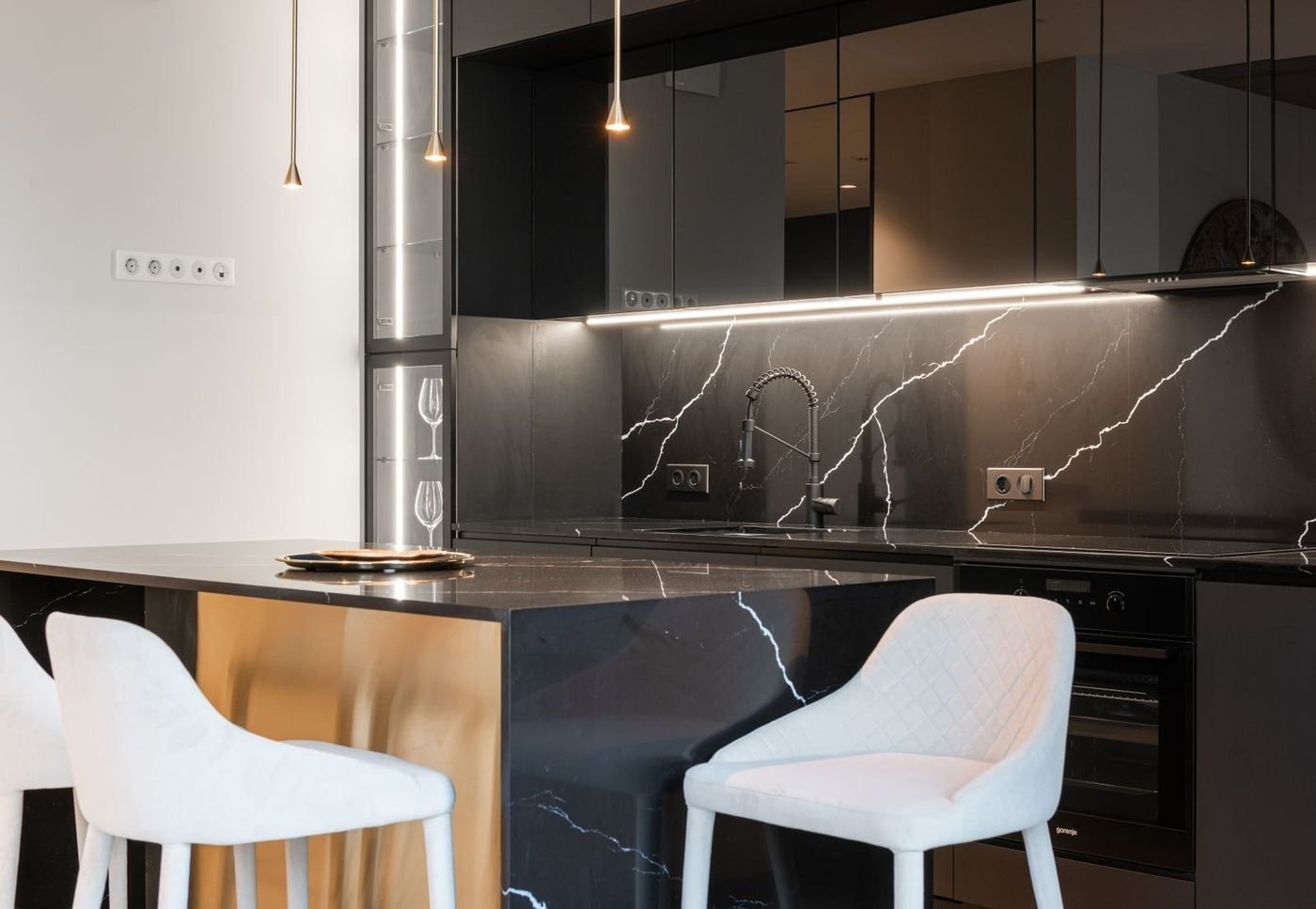

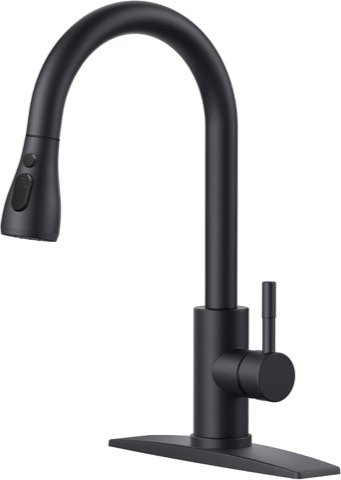
1. Start Small With Accessories
A few black accessories, cookware on display, a vase, small appliances, reinforce the palette without requiring any structural changes.
This is one of the easiest, lowest-cost ways to test the look before committing to cabinets or countertops.
Fewer, more deliberate pieces read better here than a cluttered counter full of them.
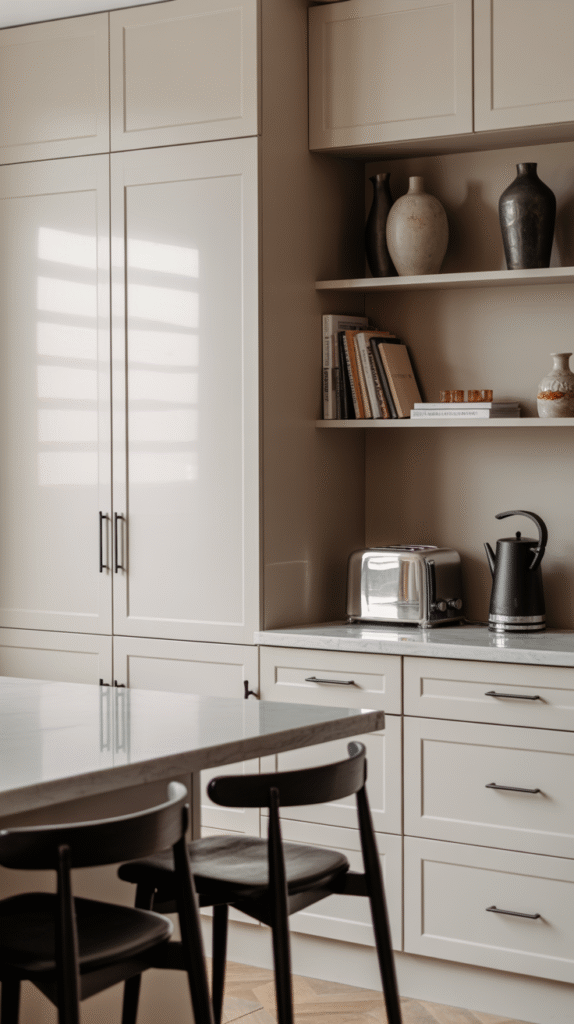


2. Treat Lighting as Essential, Not Optional
Black absorbs light rather than reflecting it, which means a black kitchen needs more deliberate lighting than a lighter one does.
Layered lighting, under-cabinet task lighting, overhead fixtures, and a statement pendant over the island, keeps the room from reading as dim or cave-like.
This matters more here than in almost any other kitchen color choice, and it is the detail most likely to get skipped.


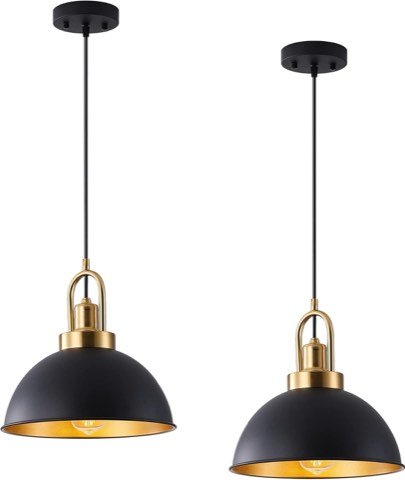
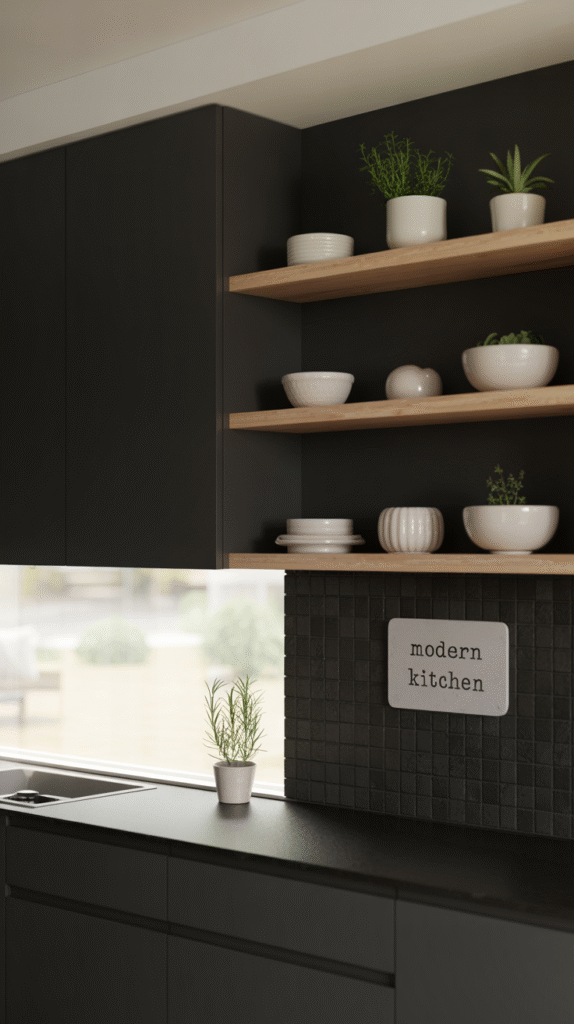
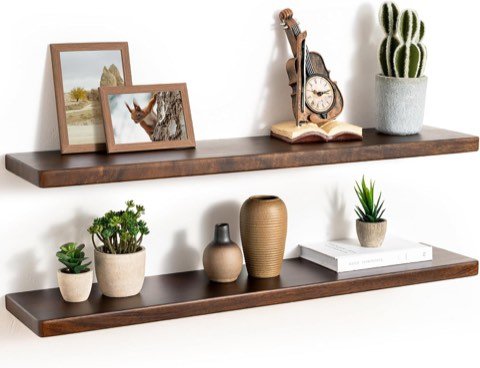
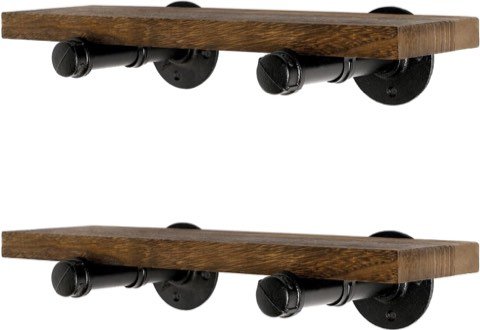
3. Use Open Shelving to Lighten the Mood
Open shelving breaks up a wall of solid black cabinetry and gives the room somewhere lighter to breathe visually.
Displaying lighter-colored dishware or glassware on the shelves adds another layer of contrast without any extra renovation.
This works especially well in a smaller black kitchen, where full upper cabinets can feel heavier than the room can handle.
4. Make the Island the Focal Point
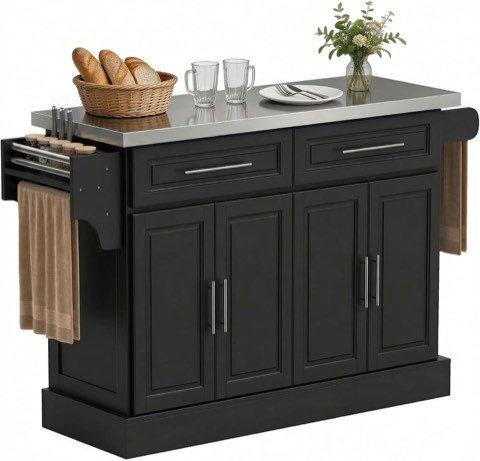
A black island, even in an otherwise lighter kitchen, becomes an instant anchor for the whole room.
This is a lower-commitment way to try the look.
One piece of furniture instead of every cabinet in the kitchen.
Pairing it with lighter surrounding cabinetry keeps the contrast working in the island's favor.


5. Pair Black With Real Wood
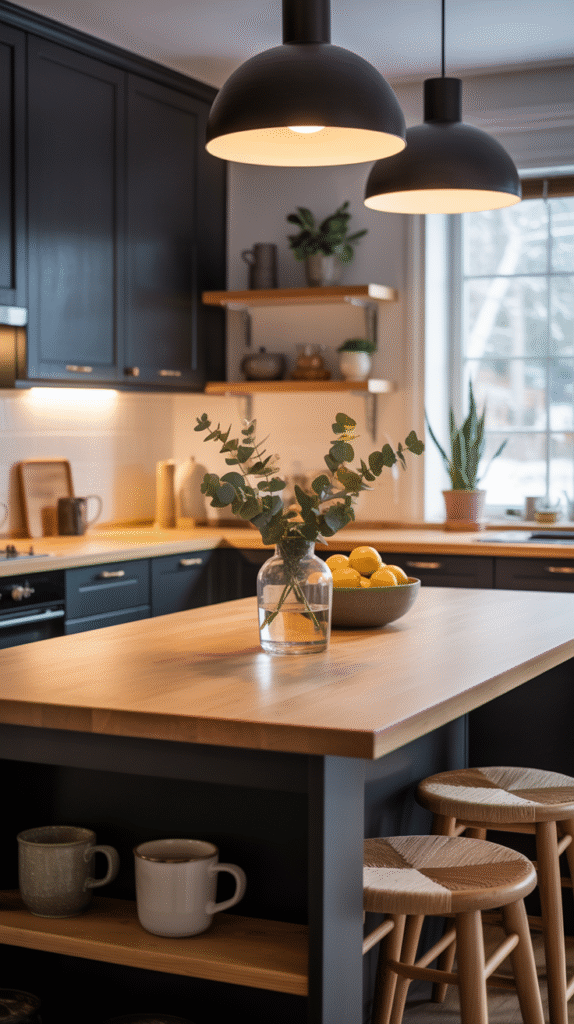
Warm wood tones, open shelving, a butcher block island top, wood flooring, soften black cabinetry more effectively than almost any other material pairing.
This combination tends to read as the most universally approachable version of the black-kitchen look.
Either light or dark wood works, as long as it is warm-toned rather than cool-toned.
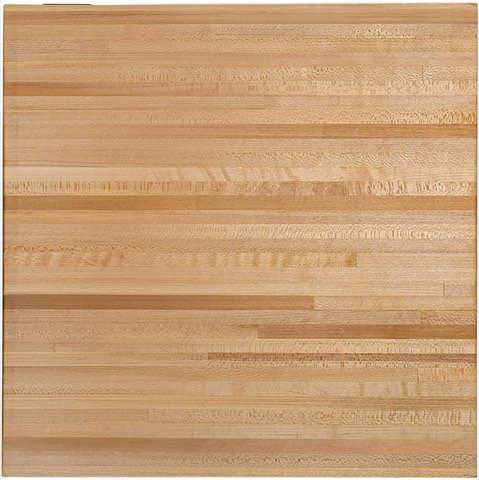
CONSDAN Butcher Block Countertop, 36 x 36 Inches, USA Grown Solid Hard Maple Hardwood
Shop on Amazon
6. Bring In Metallics for Shine
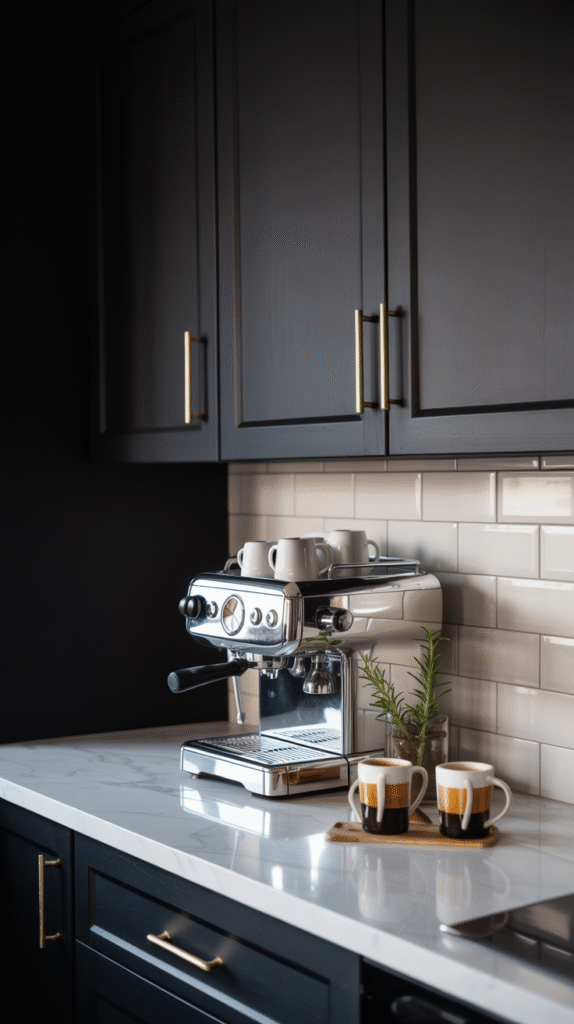
Brass, gold, or warm brushed-metal hardware and fixtures catch the light in a way flat black surfaces cannot on their own.
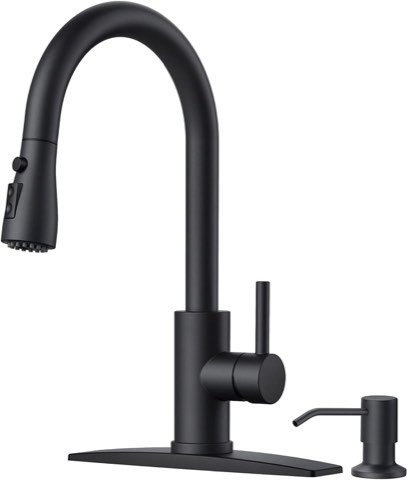
A few well-placed metallic accents, cabinet pulls, a faucet, pendant lights, keep an all-black kitchen from feeling matte and lifeless.
Cooler chrome or stainless tends to feel more clinical here than a warmer metal tone does.


7. Build In Real Contrast
An all-black kitchen with zero contrast risks feeling like one flat dark block rather than a considered design choice.
White countertops, a light wood floor, or pale walls all give the eye somewhere to land and keep the room from feeling closed in.
This single decision does more to determine whether the kitchen feels dramatic or oppressive than almost anything else on this list.


8. Let a Backsplash Carry Some of the Drama
A black tile, a slab backsplash, or even a bold patterned tile in black and white all work well against black cabinetry.
This is one of the lower-commitment ways to bring black into the kitchen without painting every cabinet.
A textured or patterned option here also adds visual interest that flat black cabinets alone do not provide.


9. Add Appliances That Disappear Into the Palette
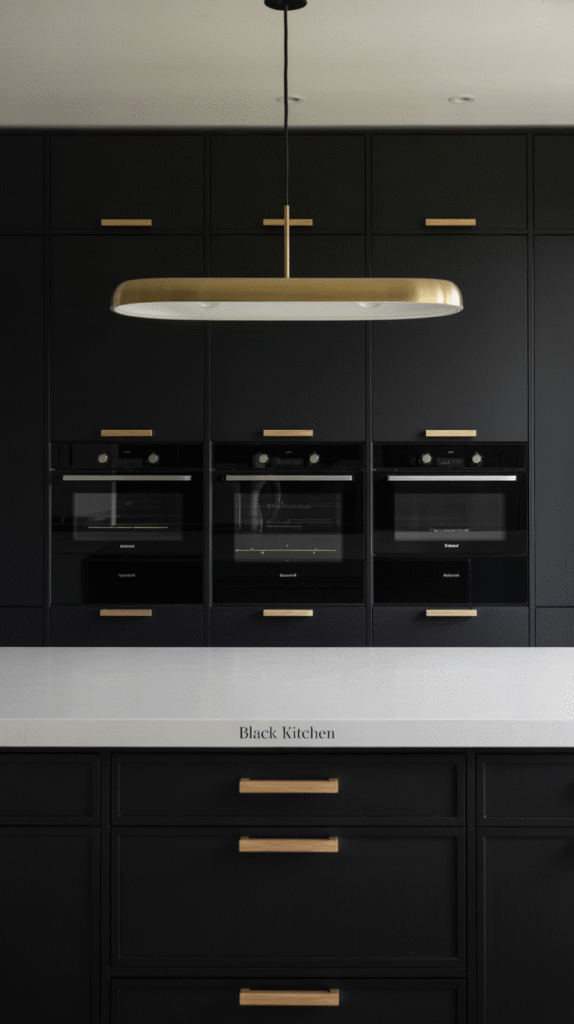
Black or matte-black appliances blend into the cabinetry instead of standing out as a separate, competing finish.
This creates a cleaner, more unified wall of cabinetry and appliances than stainless steel would against black cabinets.
Worth checking fingerprint-resistant coatings specifically, since matte black can show smudges more visibly than other finishes.


10. Weigh Black Countertops Carefully
A black countertop, honed granite, soapstone, or a black quartz, pairs naturally with black cabinetry for a more monochrome, cohesive look.
Matte and honed finishes hide water spots and fingerprints noticeably better than a polished black surface does.
This works well paired with black cabinets, but is not required for the look to succeed overall.


11. Start With the Cabinets
Cabinetry is the single biggest surface in most kitchens, which makes it the highest-impact place to commit to black.
A matte or satin finish tends to feel more sophisticated here than a high-gloss one, which can read as severe under bright kitchen lighting.
This is usually the first decision to make, since most of what follows gets chosen in response to it.


Why the Look Keeps Resurfacing
Black in a kitchen reads as deliberate rather than trendy once it is done well, which is part of why it has not faded the way louder trends usually do.
It also photographs and lives differently than almost any other kitchen color, moodier in the best sense, not darker in a bad one.


Contrast and Lighting Matter Most
A black kitchen does not require every surface to go dark at once.
Cabinets, an island, or even just the hardware and lighting can introduce the look at whatever scale actually fits your space and budget.
Contrast and lighting are genuinely the two decisions that matter most here.
Get those right, and the rest of the palette falls into place on its own.